
Choosing the right water heater is an important decision for any homeowner. Whether you’re replacing an aging water heater or considering an upgrade, understanding the differences between traditional tank-style water heaters and tankless water heaters can help you make the best choice for your home, budget, and hot water needs.
At Cahill Plumbing & Sewer, we help homeowners throughout Lake Bluff and Chicago’s North Shore make informed decisions about their plumbing systems. In this guide, we’ll compare traditional and tankless water heaters, including their benefits, drawbacks, energy efficiency, and maintenance requirements.
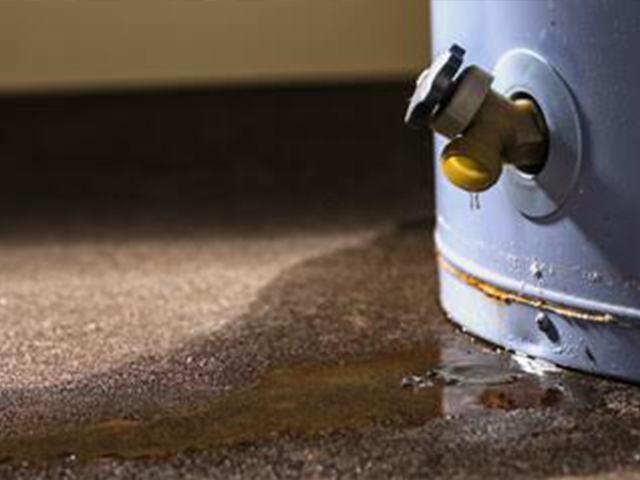
Traditional water heaters, also known as storage-tank water heaters, are one of the most common systems found in residential homes. They heat and store a specific amount of hot water in an insulated tank, typically ranging from 40 to 80 gallons.
When you turn on a hot water faucet, the heated water is delivered from the tank through your home’s plumbing system. As hot water is used, the water heater replenishes and reheats the supply.
Benefits of Traditional Water Heaters
Potential Drawbacks of Traditional Water Heaters
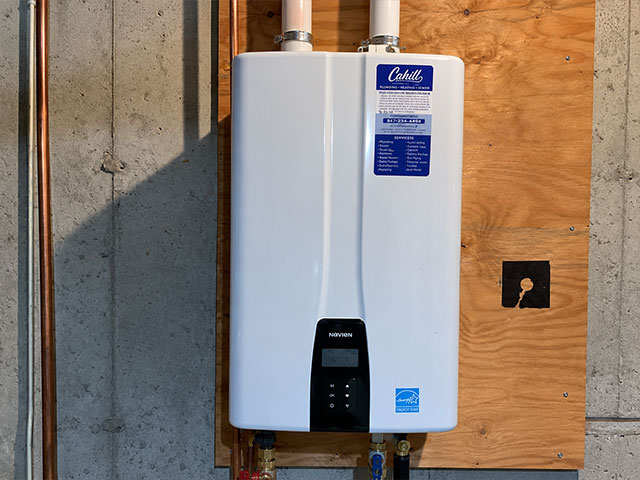
Tankless water heaters, sometimes called on-demand water heaters, heat water as it passes through the unit instead of storing a large volume of hot water in a tank.
When you turn on a hot water faucet, the system detects the flow and activates a heating element or gas burner. The water is heated as it travels through the heat exchanger and is then delivered to the fixture.
Benefits of Tankless Water Heaters
Potential Drawbacks of Tankless Water Heaters
Energy efficiency is one of the biggest reasons homeowners consider switching to a tankless water heater.
Traditional water heaters must maintain the temperature of stored water, even when no hot water is being used. This results in standby heat loss.
Tankless water heaters eliminate most standby heat loss because they heat water only when there is a demand. However, they may require more energy during periods of heavy use, and their overall savings depend on household hot water consumption and the efficiency of the specific unit.
Factors to Consider When Comparing Energy Efficiency
A tankless water heater may offer energy savings over time, but it is not automatically the most economical choice for every home.
The right choice depends on your household’s hot water needs, available space, budget, and long-term goals.
A Traditional Water Heater May Be Right for You If:
A Tankless Water Heater May Be Right for You If:
The Importance of Proper Water Heater Sizing Whether you choose a traditional or tankless water heater, proper sizing is essential.
An undersized water heater may struggle to meet your household’s demands, while an oversized system may increase unnecessary installation and operating costs.
A professional plumber can evaluate:
For tankless systems, flow rate and temperature rise are especially important. A unit must be capable of heating the required volume of water to the desired temperature, even when multiple fixtures are operating.
Regular maintenance can help extend the life of your water heater and improve performance.
Traditional Water Heater Maintenance
Tankless Water Heater Maintenance
Regular maintenance is particularly important for tankless water heaters installed in areas with hard water.
If your water heater is approaching the end of its expected service life, it may be time to consider replacement before an emergency occurs.
Signs that your water heater may need attention include:
A proactive inspection can help identify problems before they result in water damage or an unexpected loss of hot water.
Choosing between a traditional and tankless water heater is a decision that should be based on more than just the purchase price. Your home’s plumbing system, hot water demands, available space, and long-term goals all play an important role.
At Cahill Plumbing & Sewer, we can help you evaluate your current water heater and determine which replacement option best fits your needs. Whether you’re considering a traditional tank water heater or upgrading to a high-efficiency tankless system, our experienced team can help guide you through the process.
Contact Cahill Plumbing & Sewer today to schedule a water heater inspection or discuss your replacement options. We’ll help you find a reliable hot water solution for your home.
Same-Day & 24/7 Emergency Service
When plumbing problems can’t wait, we’re ready—day or night.
Locally Owned & Operated
Your trusted neighborhood plumbers who care about our customers.
Licensed & Experienced Plumbers
Skilled professionals who get the job done right the first time.
Upfront Pricing — No Surprises
Clear, honest pricing explained
before any work begins.
Factory-Trained Technicians
Ongoing training ensures safe, accurate, and efficient service.
100% Satisfaction Guarantee
We stand behind our work—your satisfaction comes first.

28835 N. Herky Dr, STE 120
Lake Bluff, IL 60044
(847) 450-0093
We're available 24/7, 365 to help with your plumbing, sewer, and drain service needs.
Cahill proudly serves the following communities: Antioch, Arlington Heights, Barrington, Buffalo Grove, Carol Stream, Crystal Lake, Deerfield, Des Plaines, Elk Grove Village, Evanston, Fort Sheridan, Fox Lake, Fox River Grove, Glencoe, Glenview, Grayslake, Great Lakes, Gurnee, Highland Park, Highwood, Hoffman Estates, Kenilworth, Lake Bluff, Lake Forest, Lake Villa, Lake Zurich, Libertyville, Lincolnshire, Morton Grove, Mount Prospect, Mundelein, North Chicago, Northbrook, Palatine, Park Ridge, Prospect Heights, Rolling Meadows, Schaumburg, Skokie, Vernon Hills, Wadsworth, Wauconda, Waukegan, Wheeling, Wilmette, Winnetka, Winthrop Harbor, Zion
Copyright ©2025 Cahill Plumbing, Sewer & Drain. All Rights Reserved